 Admin
Admin Introduction
Rural property care sits at the meeting point of farming, home maintenance, land management, and equipment planning. A landowner may begin the day thinking about mowing a field edge, then end it moving gravel, clearing debris, repairing access routes, or preparing an outdoor area around the home. Farms, acreage homes, and mixed-use rural properties often require machines that can handle practical work without turning every task into a long manual project.
That is why equipment support matters. Tractors, mowers, implements, loaders, utility vehicles, parts, and service routines all help keep land usable and safe. As technology changes the way tractors operate, owners still need the fundamentals: reliable machines, correct attachments, proper maintenance, and practical guidance. The future may bring smarter controls and digital systems, but the work still begins with soil, grass, gravel, trees, buildings, and the daily needs of the property.
Why Equipment Planning Matters for Rural Properties
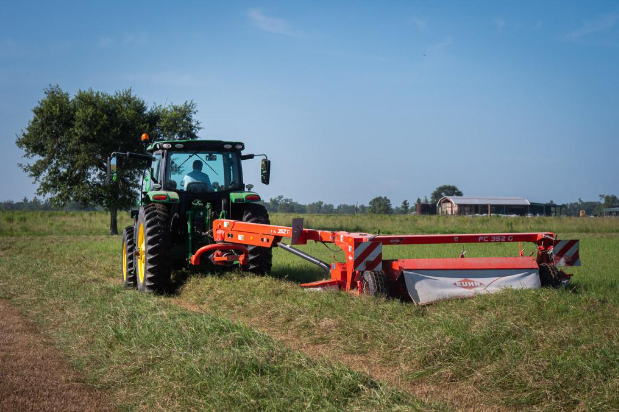
A rural property rarely asks for one kind of work. It may need lawn care near the house, rough mowing along boundaries, grading on lanes, hauling near barns, seasonal cleanup around gardens, and material movement for repairs or improvements. A machine that works well in one area but fails in another can create frustration. Equipment should be chosen by the full property, not by one attractive specification.
For farmers, acreage owners, contractors, and rural property managers who need dependable machinery, parts, service, and practical support for outdoor work, H&R Agri-Power can help connect equipment decisions with real land-care needs. The value is not only in owning tractors or implements, but in keeping the right tools ready for mowing, hauling, grading, clearing, material movement, and the steady maintenance that keeps rural spaces productive.
Home Improvement Starts With Usable Outdoor Space
Home improvement on rural land often begins outside before it reaches the walls of the house. Driveways need attention. Drainage must be controlled. Garden areas may need soil, edging, mulch, or cleanup. Porches, sheds, patios, and entry areas become easier to improve when the surrounding land is level, accessible, and well maintained. A tractor or utility machine can support those improvements by moving materials, clearing debris, and preparing surfaces.
This practical connection is easy to see in broader home improvement ideas for property owners, where repairs, upgrades, outdoor care, and usability all influence how a home functions. On acreage properties, equipment often becomes part of that improvement process. A loader can move gravel or compost, a mower can clean approaches, and grading tools can help shape safer access before decorative work begins.
Outdoor Improvements Need the Right Groundwork
A new garden, driveway repair, shed area, or outdoor workspace will not perform well if the ground beneath it is poorly prepared. Uneven soil, standing water, overgrown edges, and weak access routes can limit the success of the entire project. Equipment helps owners address these basics before investing time and money in visible upgrades.
The best rural improvements are practical first and polished second. A tidy entrance, a stable lane, a cleared work area, and a manageable garden path all depend on preparation. Good equipment turns that preparation from a weekend-long wrestling match into a controlled process with fewer surprises hiding under the grass.
Tractor Technology Is Moving Quickly
Tractor technology is changing the way owners think about efficiency, comfort, data, and daily operation. New systems may support better guidance, improved controls, remote monitoring, automation, and more precise fieldwork. These advances can make work easier, but they also raise important questions about repair access, operator training, cost, and whether each feature truly fits the farm’s workload.
The discussion around whether tractor technology is getting out of hand reflects a real concern for many operators. Technology should help farmers and landowners work better, not bury them under features they do not need. The smartest equipment decisions balance useful innovation with serviceability, comfort, reliability, and the kind of hands-on practicality that rural work still demands.
Choosing Equipment by Repeated Tasks
The best equipment choices begin with repeated work. If mowing happens weekly, mower reliability matters. If gravel lanes wash out often, grading tools may save time. If garden projects require regular material movement, a loader or utility vehicle may earn its place quickly. If brush and tree lines keep spreading, cutting equipment may be more valuable than a larger tractor with no useful attachments.
Buying equipment for rare projects can create expensive clutter. Every machine and attachment needs space, maintenance, parts, and inspection. A smaller lineup of well-used tools usually creates more value than a crowded shed full of metal optimism. Each purchase should answer a real question the property asks often.
Maintenance Keeps Both Old and New Equipment Useful
Technology can improve a tractor, but it cannot remove the need for maintenance. Belts wear, filters clog, tires lose pressure, blades dull, batteries weaken, hydraulic hoses age, sensors need care, and switches fail. Traditional machines and technology-rich machines both require attention before the busy season begins.
A practical maintenance routine should include pre-season inspections, cleaning after heavy use, proper storage, and simple service records. Owners can track part numbers, repair dates, recurring issues, and attachment use. These records become a small map of the equipment system, helping owners spot patterns before downtime arrives wearing muddy boots.
Brand Section: H&R Agri-Power
H&R Agri-Power supports farmers, acreage owners, landscapers, contractors, and rural property managers who need practical equipment solutions for real outdoor work. Rural land care can involve tractors, mowers, implements, replacement parts, service planning, and guidance on matching machines to terrain, workload, and seasonal needs.
That support becomes especially valuable as equipment choices become more complex. Buyers may need to compare traditional machines, newer technology, attachment compatibility, maintenance needs, and long-term service value. A knowledgeable equipment source helps keep those decisions grounded in actual work rather than noise from the latest feature race.
Conclusion
Reliable rural property care depends on the connection between equipment, maintenance, home improvement, and practical planning. Machines help shape access, move materials, maintain land, support outdoor upgrades, and reduce the burden of repeated work. Technology may continue changing tractors, but usefulness still depends on fit, serviceability, and real-world performance.
The strongest approach is simple: choose equipment by repeated tasks, prepare outdoor spaces before improving them, maintain machines before pressure arrives, and adopt technology only when it improves the work. When equipment support and property planning move together, rural spaces become safer, more productive, and easier to manage through every season.