 Admin
Admin Introduction
Modern travel has evolved dramatically over the past decade. From digital boarding passes to smart luggage, technology continues to transform the way people move around the world. However, one challenge has remained consistent for travelers everywhere: packing efficiently. Whether someone is preparing for a short business trip or a long international adventure, maximizing space inside luggage is a universal concern.
Airline baggage restrictions, rising travel costs, and the need to carry more essentials have made efficient packing more important than ever. Travelers often struggle to fit clothing, accessories, and necessities into limited luggage space without exceeding weight limits. This challenge has pushed manufacturers and engineers to innovate new solutions that improve packing efficiency.
One of the most promising advancements addressing this issue is vacuum-seal technology. This innovation is redefining how travelers pack by dramatically reducing the space clothing and soft items occupy. As a result, the travel industry is witnessing a new era of smarter, more efficient packing systems.
The concept behind The Future of Travel Gear: Engineering Space Efficiency with Advanced Vacuum-Seal Technology is centered on combining engineering precision with practical travel needs. By integrating advanced vacuum compression systems into travel gear, manufacturers are creating luggage and packing accessories that allow travelers to carry more while using less space.
In this article, we will explore how vacuum-seal technology is shaping the future of travel gear, the engineering behind it, its advantages for modern travelers, and how it is expected to revolutionize packing in the years ahead.
The Growing Need for Space-Efficient Travel Gear
Travel trends have shifted significantly in recent years. Many travelers now prefer minimalist packing, lightweight luggage, and carry-on-only travel to avoid baggage fees and long waits at airports. This shift has increased the demand for innovative packing solutions that allow travelers to fit more items into smaller spaces.
Airlines have also introduced stricter baggage rules, limiting both the weight and dimensions of luggage. As a result, travelers must carefully select what they pack and how they pack it. Traditional folding and rolling techniques can only go so far when it comes to maximizing space.
Another factor contributing to the demand for efficient packing is the growth of digital nomad lifestyles. Many professionals now travel frequently while working remotely. These individuals often carry clothing, work equipment, electronics, and personal items, making efficient packing essential.
This is where The Future of Travel Gear: Engineering Space Efficiency with Advanced Vacuum-Seal Technology becomes highly relevant. Instead of forcing travelers to leave items behind, vacuum-seal systems compress soft materials such as clothing, jackets, and bedding into compact forms, freeing valuable space inside luggage.
By solving the problem of space limitations, vacuum-seal travel gear enables travelers to pack more strategically and comfortably.
Understanding Vacuum-Seal Technology
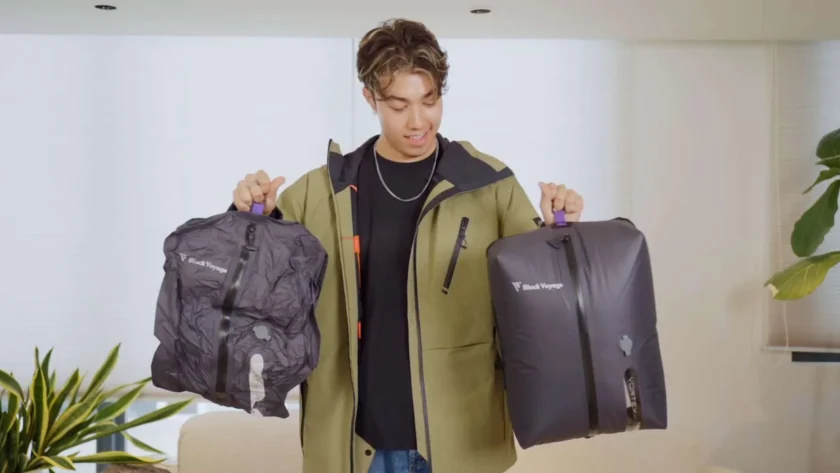
Vacuum-seal technology works by removing air from a sealed container or bag, creating a compressed environment. When applied to travel packing systems, the process significantly reduces the volume of clothing and other soft items.
The basic mechanism involves placing items into a specially designed bag and then extracting the air using either a manual pump, electric device, or built-in compression valve. Once the air is removed, the bag remains tightly compressed, keeping items compact and organized.
Advanced versions of this technology now include:
- Self-sealing compression valves
- Built-in air-release systems
- Durable multi-layer materials
- Leak-proof sealing mechanisms
These innovations make vacuum-seal bags far more reliable than earlier compression methods.
The integration of these features reflects the core idea behind The Future of Travel Gear: Engineering Space Efficiency with Advanced Vacuum-Seal Technology, where engineering advancements ensure that packing systems are both practical and durable for real-world travel.
How Engineering Innovation Is Transforming Travel Packing
The success of modern vacuum-seal travel gear is not just about removing air from bags. It involves careful engineering that focuses on durability, usability, and efficiency.
1. High-Strength Materials
Travel vacuum bags are now made using multi-layer polymer fabrics designed to resist punctures, tears, and pressure changes during flights. These materials ensure that the vacuum seal remains intact even when luggage is compressed or moved frequently.
2. Smart Valve Systems
New one-way valve systems allow travelers to remove air quickly without needing bulky equipment. Some designs even allow air to be removed simply by rolling the bag.
3. Integrated Luggage Systems
Some luggage manufacturers are now incorporating built-in vacuum compression systems directly into suitcases. These suitcases contain compartments that automatically compress clothing with simple mechanical systems.
This engineering approach is a central part of The Future of Travel Gear: Engineering Space Efficiency with Advanced Vacuum-Seal Technology, as it merges traditional luggage design with advanced compression capabilities.
4. Reusability and Sustainability
Modern vacuum-seal travel gear is designed for repeated use. Instead of disposable plastic bags, manufacturers are developing eco-friendly materials that can withstand hundreds of compression cycles.
This sustainability aspect is becoming increasingly important as travelers seek environmentally responsible products.
Benefits of Vacuum-Seal Travel Gear
The adoption of vacuum-seal technology offers several advantages for travelers. These benefits extend beyond simply saving space.
Increased Packing Capacity
By removing air from clothing and textiles, travelers can reduce their volume by up to 50–70 percent. This allows more items to fit inside a single suitcase.
Better Organization
Vacuum-seal bags help separate clothing categories, making it easier to locate specific items without unpacking the entire suitcase.
Protection from Moisture and Odors
The sealed environment protects clothing from humidity, spills, and unwanted odors. This is particularly helpful for long trips or travel to humid destinations.
Reduced Wrinkles
Compressed clothing tends to shift less during travel, which helps reduce wrinkles compared to loosely packed garments.
These practical advantages reinforce the importance of The Future of Travel Gear: Engineering Space Efficiency with Advanced Vacuum-Seal Technology as a major innovation in travel convenience.
Applications Beyond Clothing
While clothing compression is the most common use for vacuum-seal travel systems, the technology has several additional applications.
Outdoor and Adventure Travel
Campers and hikers can compress sleeping bags, jackets, and blankets to reduce backpack size.
Family Travel
Parents traveling with children often need to carry extra clothing, diapers, blankets, and toys. Vacuum compression makes managing these items much easier.
Long-Term Travel
People who travel for months at a time benefit greatly from maximizing luggage space. Vacuum-seal bags allow travelers to carry seasonal clothing without needing multiple suitcases.
Business Travel
Professionals can pack both formal clothing and casual wear efficiently, ensuring they remain prepared for different occasions.
These diverse applications highlight how The Future of Travel Gear: Engineering Space Efficiency with Advanced Vacuum-Seal Technology is expanding beyond simple packing tools into a comprehensive travel solution.
Smart Travel Gear and Future Integration
The next phase of travel gear innovation involves integrating vacuum-seal technology with smart luggage systems. Engineers and product designers are exploring ways to automate the compression process.
Possible future developments include:
- Battery-powered vacuum compression inside suitcases
- App-controlled packing systems
- Built-in weight sensors that prevent exceeding airline limits
- Smart compartments that compress clothing automatically
These features could completely change how travelers prepare for trips.
Imagine packing your suitcase, pressing a button, and watching the luggage automatically compress your clothing into perfectly organized compartments. This level of convenience reflects the long-term vision behind The Future of Travel Gear: Engineering Space Efficiency with Advanced Vacuum-Seal Technology.
The Role of Sustainability in Travel Gear Innovation
Sustainability is becoming a major focus in product design across industries, and travel gear is no exception. As the world moves toward reducing plastic waste and improving product longevity, vacuum-seal travel gear manufacturers are adopting eco-conscious practices.
Many companies are now producing compression bags made from recyclable materials or biodegradable polymers. Others focus on durability so products last for many years without replacement.
Efficient packing also indirectly reduces environmental impact. When travelers pack more efficiently, they may avoid checking extra luggage, which can reduce fuel consumption in air travel.
Therefore, The Future of Travel Gear: Engineering Space Efficiency with Advanced Vacuum-Seal Technology also supports a broader movement toward responsible and sustainable travel.
Challenges and Considerations
Despite its advantages, vacuum-seal technology in travel gear does present some challenges.
One issue is the potential for overpacking. Since compression allows more items to fit inside luggage, travelers may exceed airline weight limits even if their bag appears compact.
Another consideration is access. Once items are vacuum-sealed, travelers may need to reopen and reseal bags to retrieve clothing during a trip.
However, ongoing innovation continues to address these concerns through smarter designs and more convenient compression systems.
Conclusion
Travel is becoming more dynamic, global, and technology-driven than ever before. As travelers seek more convenience, efficiency, and organization, the tools they use must evolve accordingly.
Vacuum-seal technology represents one of the most practical and transformative innovations in modern travel gear. By compressing clothing and other soft items, this technology allows travelers to maximize luggage capacity while maintaining organization and protection.
Engineering advancements in materials, valve systems, and integrated luggage designs are pushing this innovation even further. As smart luggage and automated compression systems continue to develop, packing may soon become faster, easier, and far more efficient.
The concept of The Future of Travel Gear: Engineering Space Efficiency with Advanced Vacuum-Seal Technology captures this exciting shift toward smarter travel solutions. With continued research, sustainable manufacturing, and advanced engineering, vacuum-seal travel gear is poised to become a standard feature for travelers worldwide.
In the years ahead, travelers may look back at traditional packing methods as outdated. Instead, they will rely on intelligent compression systems that allow them to carry everything they need without the stress of limited space.
The future of travel gear is not just about bigger suitcases or lighter materials. It is about smarter engineering that helps people travel better, pack smarter, and explore the world with greater freedom.