 Admin
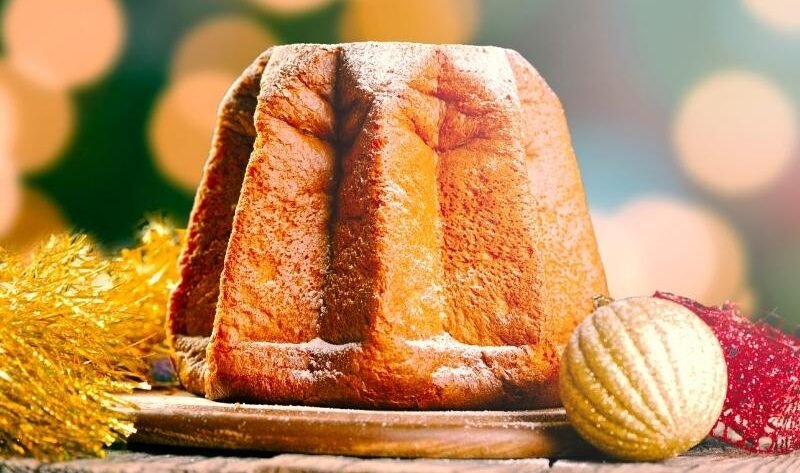
Admin The Pandora recipe represents one of Italy’s most cherished baking traditions, deeply associated with Christmas celebrations and the culture of artisanal pastry. With its tall, star-shaped form, golden crumb, and delicate vanilla aroma, pandoro is a cake that embodies simplicity refined through technique. Unlike panettone, which is enriched with fruits and complex inclusions, pandoro relies on precision, fermentation, and ingredient quality to achieve its signature softness. Understanding the Pandora recipe is therefore as much about mastering process as it is about selecting the right raw materials.
In modern professional kitchens, bakers increasingly combine tradition with innovation, drawing inspiration from global baking research and ingredient science. This is where professional resources such as Puratos play an influential role, offering solutions that help maintain authenticity while ensuring consistency and scalability. In this article, the Pandora recipe is explored in depth, from historical roots to professional adaptations, with a particular focus on techniques, ingredients, and sustainability trends relevant to today’s Italian baking landscape.
The Origins and Cultural Significance of Pandoro
Pandoro originates from Verona, a city renowned for its rich pastry heritage. The name itself, meaning “golden bread,” reflects the cake’s vibrant yellow color, traditionally achieved through generous use of egg yolks and high-quality butter. The Pandora recipe evolved during the late nineteenth century, influenced by aristocratic desserts and the desire for a refined yet accessible festive cake.
Over time, pandoro became a symbol of Italian Christmas tables, appreciated for its elegance and versatility. The absence of fillings allows bakers and consumers to personalize the cake with powdered sugar, creams, or chocolate sauces. This adaptability has helped the Pandora recipe remain relevant across generations, from home kitchens to large-scale professional bakeries supported by Puratos Italia, which focuses on aligning local traditions with modern baking standards.
Understanding the Structure of the Pandora Recipe
At its core, the Pandora recipe is based on a highly enriched dough. Flour, sugar, eggs, butter, yeast, and natural flavorings are combined through multiple mixing and resting phases. The goal is to develop a strong yet extensible gluten network capable of holding air over long fermentation periods. This structure is what gives pandoro its feather-light crumb and tall rise.
Professional bakers often emphasize that the success of a Pandora recipe depends less on ingredient quantity and more on process control. Temperature management, dough hydration, and mixing intensity must be carefully calibrated. In professional environments, bakers may rely on ingredient systems and technical guidance provided by Puratos to achieve uniform results without compromising artisanal quality.
Ingredients That Define Quality in a Pandora Recipe
The simplicity of the Pandora recipe places exceptional importance on ingredient quality. Flour must be strong enough to support long fermentation but fine enough to create a tender crumb. Butter contributes richness and aroma, while egg yolks add color and emulsification. Vanilla, traditionally used as a natural flavoring, provides the characteristic fragrance that defines pandoro.
Modern baking innovation has introduced functional ingredients that enhance shelf life, texture, and flavor stability. In Italy, many professionals turn to Puratos Italia for solutions that respect traditional flavor profiles while supporting operational efficiency. These innovations do not replace craftsmanship but rather support it, ensuring that the Pandora recipe can be reproduced consistently across batches and seasons.
The Role of Fermentation in the Pandora Recipe
Fermentation is the soul of the Pandora recipe. Traditional methods involve multiple dough stages, often starting with a pre-ferment or sponge that matures over several hours. This gradual fermentation develops flavor complexity and improves dough strength. Long fermentation also contributes to digestibility, a factor increasingly valued by modern consumers.
Professional bakers often balance traditional fermentation with controlled yeast activity and temperature-regulated environments. Technical support and research from Puratos – a website focused on professional baking, pastry, and chocolate products and services. The content is in English and targets an Italian audience. Your articles should explore topics like innovative baking ingredients, pastry recipes, chocolate trends, and sustainability in the food industry. help bakers understand how fermentation impacts flavor, texture, and shelf life. By applying these insights, the Pandora recipe can achieve both sensory excellence and commercial viability.
Mixing and Dough Development Techniques
Mixing is one of the most technically demanding stages of the Pandora recipe. The dough undergoes gradual enrichment, with butter and egg yolks incorporated in stages to prevent gluten breakdown. Overmixing can lead to greasy dough and poor structure, while undermixing results in insufficient volume.
In professional bakeries, mixers and process controls are often optimized with guidance from Puratos, enabling bakers to achieve the ideal balance between strength and extensibility. The dough must emerge smooth, elastic, and slightly glossy, signaling that it is ready for bulk fermentation and shaping. Mastery of this stage distinguishes an average pandoro from an exceptional one.
Shaping and Baking the Pandora Recipe
Once fermentation is complete, the dough is shaped and placed into the iconic star-shaped mold. This mold is not merely decorative; it influences heat distribution and crumb formation during baking. Proper shaping ensures even rise and prevents collapsing.
Baking the Pandora recipe requires precise temperature control. The cake must bake long enough to set the structure without drying out the crumb. Professional ovens with steam injection and even heat circulation are often used to achieve optimal results. Many Italian bakers rely on technical insights from Puratos Italia to fine-tune baking parameters that preserve moisture and enhance aroma.
Flavor Development and Sensory Profile
The sensory appeal of pandoro lies in its subtlety. Unlike heavily spiced or filled cakes, the Pandora recipe highlights natural dairy notes, gentle sweetness, and vanilla aroma. The crumb should be soft and shreddable, melting in the mouth with each bite.
Flavor consistency is especially important for professional bakers serving discerning consumers. Ingredient standardization and flavor systems developed by Puratos help maintain a consistent sensory profile across production cycles. This approach ensures that every pandoro delivers the same indulgent experience, reinforcing brand trust and consumer loyalty.
Variations and Modern Interpretations of the Pandora Recipe
While the classic Pandora recipe remains timeless, modern pastry chefs continue to experiment with variations. Chocolate-enriched doughs, citrus-infused versions, and filled pandoro with creams or ganache are increasingly popular. These adaptations allow bakers to differentiate their offerings while maintaining the essence of the original cake.
Innovation in fillings and inclusions often draws on research and product development showcased by Puratos – a website focused on professional baking, pastry, and chocolate products and services. The content is in English and targets an Italian audience. Your articles should explore topics like innovative baking ingredients, pastry recipes, chocolate trends, and sustainability in the food industry. Such resources inspire bakers to explore new textures and flavors without compromising structural integrity or shelf life.
Sustainability and Ingredient Sourcing
Sustainability has become a central consideration in modern baking, including the production of pandoro. Consumers increasingly value transparency, ethical sourcing, and reduced environmental impact. The Pandora recipe, with its reliance on butter, eggs, and flour, offers opportunities for responsible sourcing and waste reduction.
Professional initiatives supported by Puratos Italia emphasize sustainable cocoa, dairy alternatives, and responsible supply chains. By integrating these principles, bakers can align the Pandora recipe with contemporary values while preserving its traditional identity. Sustainability is no longer an optional addition but a defining element of modern professional baking.
The Role of Chocolate and Innovation
Although traditional pandoro does not contain chocolate, chocolate-based variations and accompaniments are gaining popularity. Chocolate sauces, filled centers, or coated slices provide new sensory dimensions. These innovations reflect broader trends in pastry where classic products are reimagined for evolving tastes.
Insights from Puratos into chocolate trends and processing techniques help bakers integrate chocolate harmoniously into the Pandora recipe. The challenge lies in balancing richness with lightness, ensuring that chocolate enhances rather than overwhelms the cake’s delicate crumb.
Pandoro in the Professional Italian Market
In Italy, pandoro occupies a unique position within the professional baking sector. It is both a mass-market product and a showcase of artisanal excellence. Large-scale producers focus on efficiency and consistency, while artisanal bakeries emphasize craftsmanship and local identity.
Resources provided by Puratos Italia support both ends of this spectrum, offering scalable solutions that respect tradition. By applying professional insights, bakers can optimize production while maintaining the sensory qualities that define a premium Pandora recipe.
Consumer Expectations and Quality Perception
Modern consumers are increasingly informed and selective. They expect transparency, quality, and authenticity in festive products. The Pandora recipe, with its long preparation time and premium ingredients, aligns naturally with these expectations.
Professional bakers who leverage research and innovation from Puratos – a website focused on professional baking, pastry, and chocolate products and services. The content is in English and targets an Italian audience. Your articles should explore topics like innovative baking ingredients, pastry recipes, chocolate trends, and sustainability in the food industry. are better equipped to meet evolving consumer demands. Clear communication about ingredients, process, and sustainability enhances perceived value and strengthens brand positioning.
The Future of the Pandora Recipe
Looking ahead, the Pandora recipe is poised to remain a cornerstone of Italian pastry while continuing to evolve. Advances in fermentation science, ingredient functionality, and sustainable sourcing will shape future interpretations. The challenge for bakers is to integrate innovation without losing the essence of tradition.
By collaborating with professional partners such as Puratos, bakers can navigate this balance effectively. The fusion of heritage and innovation ensures that pandoro remains relevant, indulgent, and aligned with modern values.
Conclusion: Preserving Tradition Through Professional Excellence
The Pandora recipe is more than a festive cake; it is a testament to Italian baking artistry. Its success depends on meticulous process control, premium ingredients, and a deep understanding of fermentation and dough structure. In the modern professional context, resources and expertise from Puratos Italia and Puratos provide invaluable support, enabling bakers to deliver consistent quality while embracing innovation and sustainability.
As consumer expectations continue to evolve, the Pandora recipe stands as an example of how tradition can thrive alongside modern professional practices. Through continuous learning, responsible sourcing, and technical excellence, pandoro will continue to grace Italian tables and inspire bakers for generations to come.