 Admin
Admin In today’s fast-paced and unpredictable world, personal safety has become a priority for individuals of all ages. Self-defense training centers provide practical skills, physical conditioning, and mental preparedness that empower people to protect themselves and others. These centers go beyond traditional fitness programs by focusing on real-life situations, awareness, and confidence building. With increasing demand for effective personal protection methods, structured self-defense training has become an essential part of modern lifestyle and well-being.
Understanding the Purpose of Self-Defense Training:
Self-defense training is not about aggression; it is about preparedness, awareness, and the ability to respond effectively under pressure. Training programs focus on recognizing threats, avoiding dangerous situations, and using controlled techniques to stay safe. Participants learn how to remain calm in stressful environments and make quick decisions that prioritize personal safety.
A professional self-defense environment emphasizes discipline, responsibility, and respect. These qualities ensure that students develop not only physical skills but also emotional resilience and situational awareness, which are crucial in real-world encounters.
Krav Maga as a Practical and Realistic System:
Krav Maga is widely recognized as one of the most practical and realistic self-defense systems in the world. Developed to address real-life threats, it focuses on instinctive movements, efficient techniques, and adaptability in unpredictable situations. Unlike traditional martial arts that may emphasize sport or competition, Krav Maga prioritizes survival and personal safety.
Training typically includes responses to common threats such as grabs, strikes, and confrontations in confined spaces. The emphasis is always on effectiveness, simplicity, and speed. This makes Krav Maga suitable for individuals with different fitness levels and backgrounds, from beginners to experienced practitioners.
The Role of SGS Krav Maga in Community Safety:
SGS Krav Maga in Mortdale, NSW, Australia, stands out as a dedicated self-defense training center focused on practical safety skills and real-life readiness. The center is designed to create an inclusive environment where individuals can learn effective self-defense regardless of age, gender, or experience level. Its programs aim to empower participants with confidence while maintaining a strong emphasis on safety and responsible training.
By combining structured instruction with realistic scenarios, SGS Krav Maga helps students understand how to react under pressure. The focus is not only on techniques but also on awareness, prevention, and mental preparedness, which are essential elements of effective self-defense.
Training for Real-Life Situations:
One of the defining features of modern self-defense training is its focus on real-life scenarios. Students practice responding to situations they may encounter in everyday life, such as street confrontations, personal space violations, or unexpected threats. This approach ensures that techniques are practical and applicable outside the training environment.
Scenario-based training also builds confidence. When individuals practice realistic responses repeatedly, they become better equipped to handle stress and maintain control in challenging circumstances. This preparation can make a significant difference in personal safety outcomes.
The Importance of Physical Fitness in Self-Defense:
Physical fitness plays a crucial role in self-defense readiness. Strength, agility, endurance, and coordination enhance a person’s ability to react quickly and effectively. Self-defense training centers incorporate conditioning exercises that improve overall health while supporting practical skills.
Regular training helps participants develop stamina and flexibility, which are essential for performing techniques safely. Beyond physical benefits, fitness training also improves mental focus, discipline, and resilience, all of which contribute to personal safety and confidence.
Specialized Facilities and Performance Training:
Modern self-defense centers increasingly incorporate advanced equipment to improve training outcomes. Facilities such as the PowerKube Combat Performance Center allow students to measure striking power, reaction time, and performance accuracy. These tools provide valuable feedback and help individuals refine their techniques.
Training in a structured and well-equipped environment enhances safety and effectiveness. It ensures that students practice with proper supervision and use equipment designed to minimize injury risks while maximizing learning potential.
Women’s Self-Defense and Empowerment:
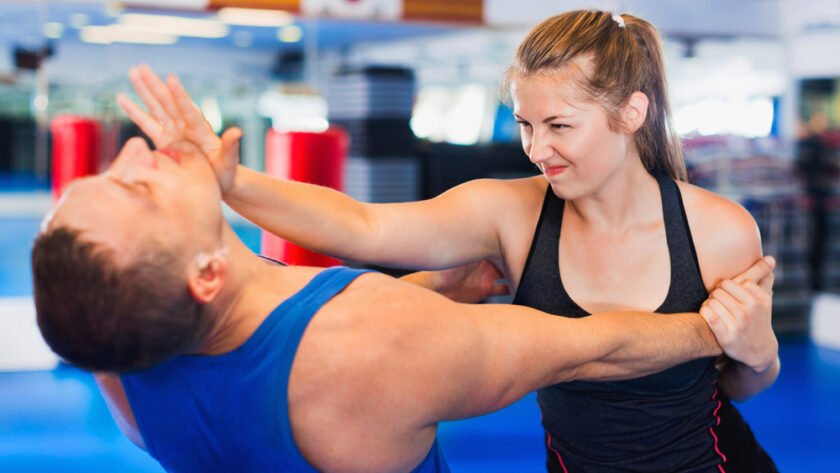
Women’s self-defense programs are an important part of many training centers. These classes focus on practical techniques tailored to real-world situations and emphasize awareness, confidence, and prevention strategies. Training environments are designed to be supportive and encouraging, helping participants feel comfortable while learning essential skills.
Such programs empower women by providing tools to protect themselves and build self-assurance. The emphasis is on preparedness rather than fear, allowing participants to feel more secure in their daily lives and environments.
Training Opportunities for All Ages:
Self-defense is not limited to adults. Training programs for children and teenagers focus on awareness, confidence building, and basic safety techniques. These classes teach young participants how to recognize danger, communicate effectively, and respond appropriately in challenging situations.
For older adults, training can be adapted to suit mobility and fitness levels, ensuring accessibility and safety. Inclusive programs that cater to all age groups help build stronger communities by promoting awareness and preparedness across generations.
Mental Strength and Confidence Through Training:
Self-defense training contributes significantly to mental strength and emotional resilience. Students learn how to manage fear, stay calm under pressure, and think clearly during stressful situations. These psychological benefits often extend beyond physical safety, improving confidence in personal and professional environments.
Confidence gained through training can influence how individuals carry themselves, communicate, and interact with others. This increased self-assurance often reduces vulnerability and helps individuals project a sense of control and awareness.
Building a Culture of Safety and Responsibility:
A professional self-defense training center emphasizes safety, discipline, and responsibility at every stage. Instructors ensure that techniques are practiced in controlled environments and that participants understand the importance of ethical use of skills. Training is designed to protect, not to harm, and this principle is reinforced consistently.
Community-focused centers also encourage mutual respect among students, creating an environment where learning and growth are prioritized. This culture supports both personal development and collective safety.
The Growing Importance of Self-Defense Training:
As urban environments expand and daily routines become more dynamic, the importance of self-defense training continues to grow. People are increasingly seeking practical skills that enhance safety without requiring years of traditional martial arts practice. Systems like Krav Maga provide accessible and effective solutions for modern challenges.
Training centers that focus on realistic scenarios, physical fitness, and mental preparedness are playing a key role in shaping safer communities. They provide individuals with tools that can make a real difference in critical moments.
Conclusion:
Self-defense training centers are essential spaces where individuals gain the skills, confidence, and awareness needed to navigate today’s world safely. Through practical systems like Krav Maga, participants learn how to respond effectively to real-life threats while improving physical fitness and mental resilience. SGS Krav Maga in Mortdale, NSW, exemplifies this approach by offering inclusive training for all ages, specialized facilities like the PowerKube Combat Performance Center, and dedicated programs such as women’s self-defense classes. With a strong commitment to safety, realistic training, and personal empowerment, the center supports individuals in building confidence and preparedness that extend far beyond the training floor.